

Introduction
Almost everyone has received a call from a number they did not recognize. It could be a delivery driver, a doctor’s office, a spam caller, or a scammer. In moments like these, many people turn to a reverse phone lookup website to find out who is calling, and USPhoneBook is one of the best-known names in that space.
This article explains what USPhoneBook is, how this kind of site gathers information, and what its profiles can show. It also covers accuracy limits, privacy concerns, and the steps you can take to remove your own listing. The goal is to give you clear and balanced information, whether you want to identify a caller or protect your personal details.
What Is USPhoneBook?
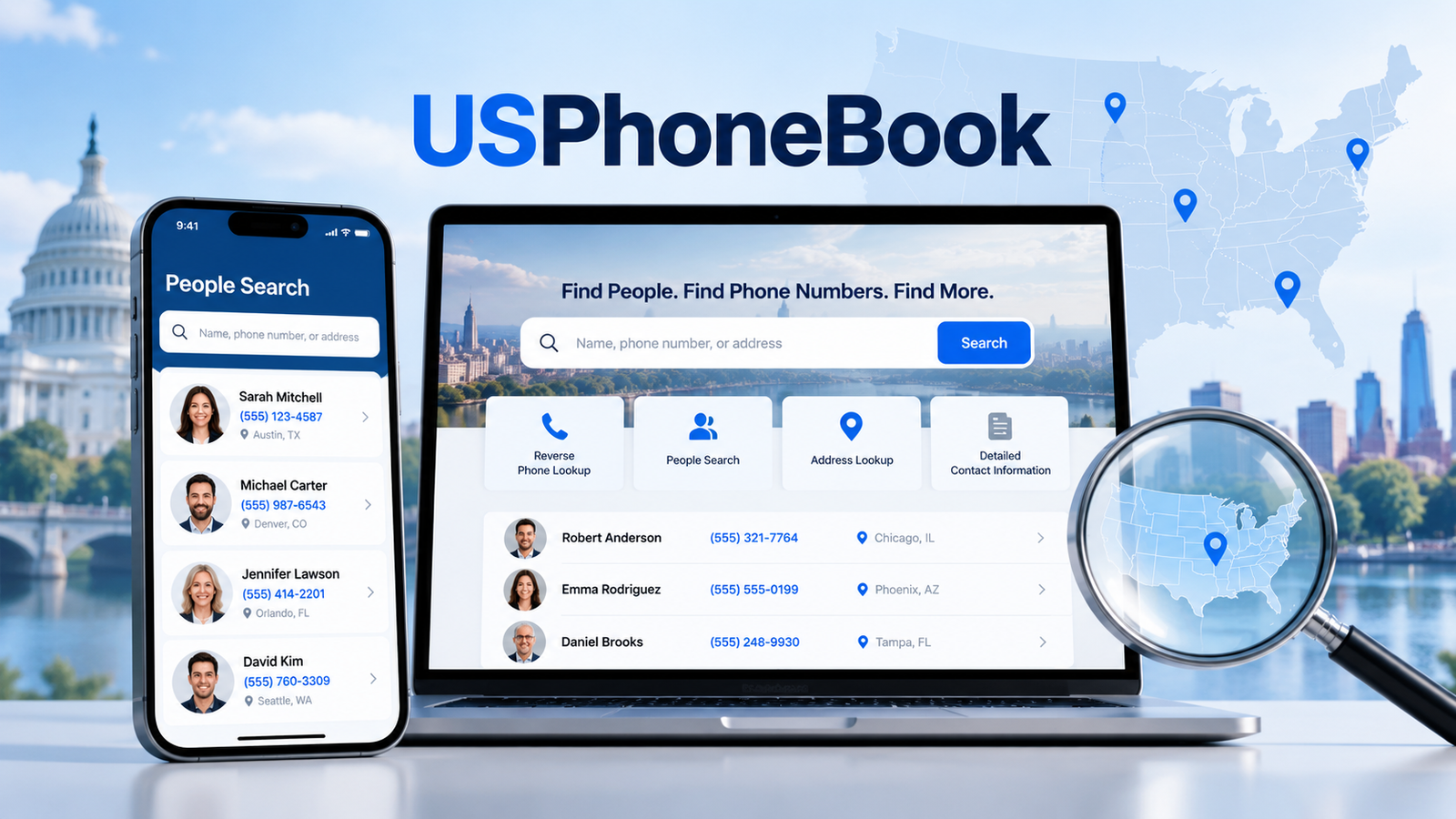
USPhoneBook is a free people-search and reverse phone lookup website focused on the United States. Visitors can type in a phone number to see what public information is linked to it. They can also search by name or address, which makes the site feel like a modern, searchable phone directory.
Its main appeal is the idea of finding out who is calling you. This makes it closer to an old-style phone book than to a formal background check. Even so, the information it displays can be detailed, which is why everyday users, journalists, and privacy-conscious people all pay attention to sites of this kind.
How Reverse Phone Lookup Works
A normal directory lets you search a name to find a number. A reverse lookup flips this idea, so you start with a number and try to learn the name, location, or phone carrier connected to it. The site compares your search with a large database and displays the profile that fits best.
The quality of the result depends on the data behind it. Phone numbers get reassigned, people switch carriers, and many mobile numbers were never listed in a public place. Some lookup tools also add extra details such as carrier information or spam warnings, which can help you judge whether a call is likely to be unwanted. Still, treat any result as a clue and not as final proof.
Where the Information Comes From
People often wonder how a free website can know so much. The answer is that it usually does not collect everything directly. Sites like this commonly gather data from public records, such as property and court records, and from information bought from other data companies. Some details may also come from public social media pages.
The site then combines these sources into one easy-to-read page. This process explains both the convenience and the mistakes. Because data is merged automatically, a profile may mix details from two people with similar names or show an address where someone lived years ago. The person described rarely has a say in what appears until they ask for removal.
What a Profile May Show
A typical people-search profile can include more than a name and number. It may list past and current addresses, other phone numbers, possible relatives, and sometimes age ranges or work history. Some reports also connect email addresses or neighbors to the same household.
Seeing all of this in one place can be surprising. Each fact may have been public somewhere already, but gathering them together makes it easy for anyone to build a picture of your life. This is the main reason privacy experts talk about people-search sites so often, and it is why many users decide to review their own listings from time to time.
Everyday Uses and Their Limits
Most visitors use the site for simple, harmless reasons. Identifying an unknown caller is the most common one, followed by reconnecting with an old friend or relative, checking a number before returning a call, or confirming that a text came from a real person. For these purposes, a quick lookup can save time and worry.
The limits are important, though. Scammers often fake caller ID, so a lookup result does not prove that a call is safe. If someone asks for money, passwords, or gift cards, end the call even if the number looks trustworthy. People-search sites are also generally not meant for decisions about hiring, renting, credit, or insurance, and formal screening should be done through services that follow proper consumer reporting rules.
Privacy and Safety Concerns
For the person being searched, a public profile can feel invasive. Anyone who knows your name or number may be able to see where you live and who you are related to. Maps and neighbor details can make this feel even more personal, especially for people who care about their safety.
The possible risks include spam, unwanted contact, identity-theft attempts, and, in serious cases, harassment or stalking. People who have experienced abuse, who work in public-facing jobs, or who simply prefer a private life often choose to remove their information. You do not need a dramatic reason. Wanting control over your own details is a fair and reasonable choice.
How to Opt Out of USPhoneBook
Most people-search sites, including this one, offer a free opt-out process. The link is usually found in the footer of the homepage, often under a label about not selling personal information. In general, you search for your own profile, select it, provide an email address, and then click the confirmation link sent to your inbox.
A few habits make the process smoother. Search using your phone number, your name, and your address, because you may have more than one listing. Clearing your browser cache afterward can help you see the updated result. If the online form does not work, look for other contact options on the official site, and avoid sharing more personal data than the process truly requires. Always use the official website and be careful with look-alike pages that claim to remove your data for a fee.
What Happens After You Opt Out
Removal may not appear instantly, so be patient. Many guides suggest waiting a few days and then searching again to check the result. If the profile has disappeared, your request worked for that entry. If another version appears, repeat the steps for it.
It is also important to know that listings can return. These sites refresh their data from public sources regularly, so a reappearance does not always mean your first request failed. A good routine is to check again every few months and keep a short note of the dates you filed your requests. Remember too that opting out removes the profile from that site, but it does not erase the original public records.
Protecting Your Data Beyond One Website
USPhoneBook is only one piece of a much larger picture. Many people-search sites draw from similar public records, and each one usually has its own opt-out process. Removing yourself from one site does not remove you from the others, so a wider approach brings better results over time.
Simple everyday habits can reduce your exposure. Use a separate email address for opt-outs and online forms, limit the personal details you share on public social media, and think carefully before entering your phone number on websites that do not truly need it. Paid removal services exist for people who do not want to file many requests, but they are optional, and you can do the same work manually without paying. If you consider one, read its privacy policy and compare costs first.
Conclusion
USPhoneBook is a free reverse phone lookup and people-search site that gathers public information into simple profiles. It can help you identify unknown callers or find contact details, but its data may be outdated or mixed up, and it should never replace official checks or good judgment.
If privacy matters to you, you have the right to request removal through the site’s opt-out process and to repeat it when a listing returns. Check your profile under your number, name, and address, and extend your efforts to other people-search sites. With a little regular attention, you can keep better control over what the internet shows about you.
