

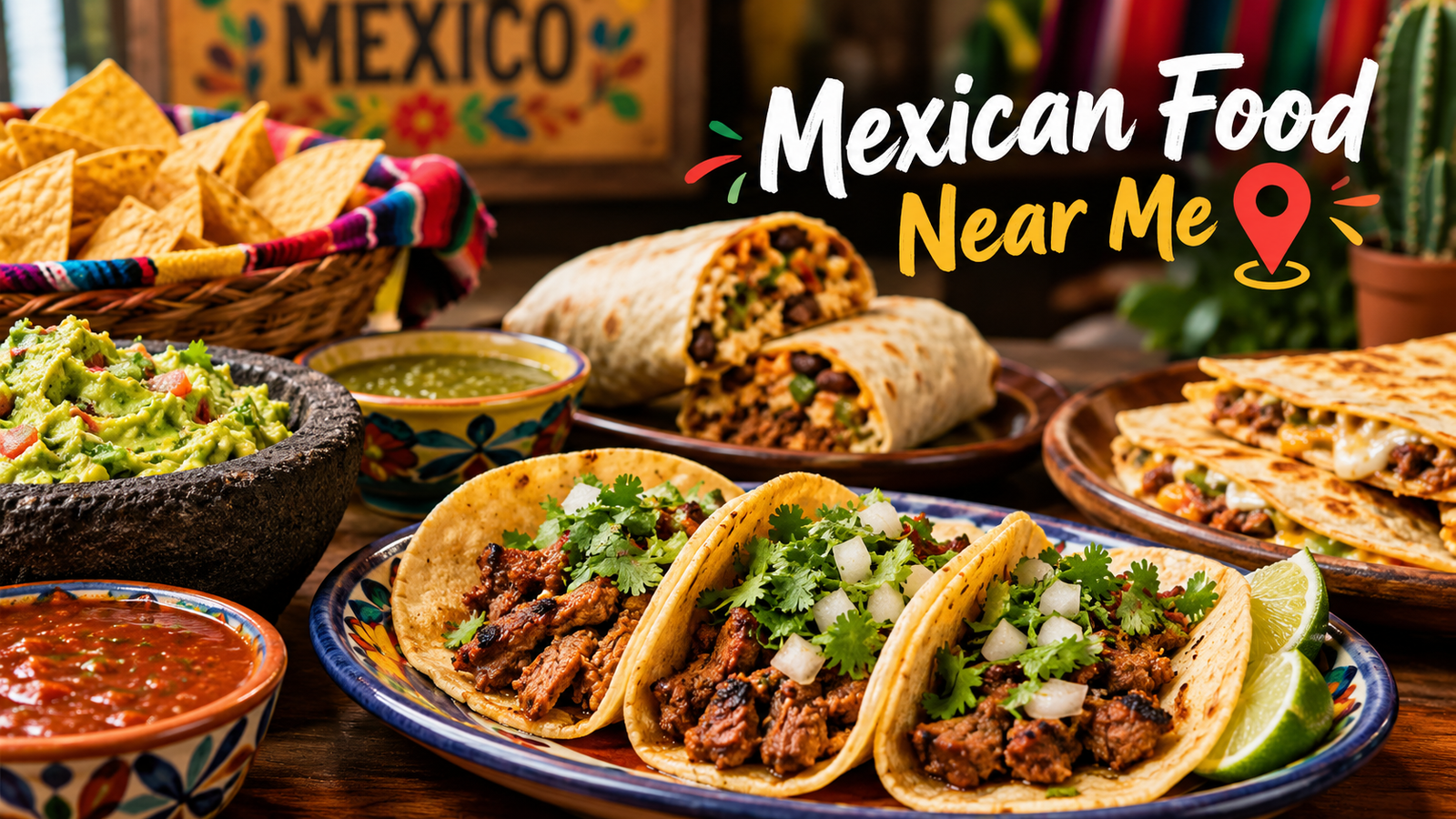
Why Everyone Is Searching for Mexican Food Near Me
Few phrases are typed into search bars as often as “Mexican food near me.” The reason is easy to understand. Mexican food is warm, colorful, affordable, and fun to share. It works for a quick lunch, a weekend family dinner, a birthday celebration, or a late-night craving, and almost every town in the United States has at least one place that serves it.
This guide will help you understand what you are ordering, how to choose a good restaurant, and how to enjoy the meal even more. Along the way, you will learn some history, some food safety basics, and a few practical habits that make every visit better. Whether you are a lifelong fan or just starting out, you will find something useful here.
The Rich History Behind Every Plate
Mexican cooking has deep roots. Long before Europeans arrived, the peoples of Mesoamerica, including the Maya and the Aztecs, grew corn, beans, squash, chili peppers, tomatoes, avocados, and cacao. Corn was so important that it shaped religion, farming, and daily life. A traditional field system called the milpa grew corn, beans, and squash together, and the plants helped each other grow.
After the Spanish arrived in the 1500s, new ingredients such as pork, beef, chicken, cheese, wheat, onions, and garlic joined the local foods. The result was a blend of Indigenous and Spanish cooking that continued to change over time. In 2010, UNESCO added traditional Mexican cuisine to its list of the Intangible Cultural Heritage of Humanity. That recognition honored not just the dishes but also the farming methods and community traditions behind them.
Regional Mexican Food Versus Tex-Mex
When you search for Mexican restaurants nearby, you will usually find two main styles. Regional Mexican food follows the cooking of areas such as Oaxaca, Jalisco, Puebla, Veracruz, and the Yucatán Peninsula. Each region has its own specialties, from the seafood of the coast to the slow-cooked meats of the central highlands.
Tex-Mex grew in Texas and the Southwest, where Mexican and American food traditions met. It tends to use more cheese, cumin, flour tortillas, and beef. Dishes such as fajitas, chili con carne, and nachos are closely linked to this style. Nachos, for example, are often credited to Ignacio “Nacho” Anaya, who made them in 1943 in Piedras Negras, a border town in Mexico. Both styles are enjoyable, and knowing the difference helps you choose the right place for your mood.
Must-Try Dishes and What They Really Are
Tacos are the best-known dish, and a good one is simple. It has a warm tortilla, seasoned meat or vegetables, chopped onion, fresh cilantro, and lime. Tacos al pastor use marinated pork cooked on a spinning spit, a technique influenced by Lebanese immigrants who arrived in Mexico in the early 1900s. Carne asada is grilled beef, carnitas is slow-cooked pork, and barbacoa is traditionally tender, slow-cooked meat.
Other classics deserve attention too. Enchiladas are tortillas rolled around a filling and covered with sauce. Tamales are corn dough steamed in husks or banana leaves. Pozole is a hearty hominy stew, and chilaquiles are crisp tortilla pieces simmered in salsa, usually served at breakfast. Oaxaca is often called the land of the seven moles, and mole itself is a complex sauce that can include chilies, nuts, seeds, spices, and sometimes chocolate.
Chilies, Salsas, and Understanding the Heat
Chili peppers are the heart of Mexican flavor, and Mexico has dozens of varieties. They are used fresh, dried, smoked, and roasted, and each one adds a different taste. Jalapeños bring a bright, mild-to-medium kick, while serranos are hotter. Dried chilies such as ancho, guajillo, and pasilla add deep, earthy flavor to sauces and stews without always being very spicy.
Heat is measured on the Scoville scale. A jalapeño usually falls between about 2,500 and 8,000 units, while a habanero can reach 100,000 or more. When you visit a restaurant, ask about the house salsas before you pour. Taste a small amount first, since the color of a salsa does not always show how hot it is. If you ever go too far, milk, yogurt, or horchata will cool your mouth better than water, because the capsaicin in chilies dissolves in fat.
How to Choose a Great Restaurant Near You
Start with online reviews, but read them with care. A high star rating is helpful, yet the written comments say more. Look for repeated praise about fresh tortillas, flavorful sauces, friendly service, and consistent quality. Recent reviews are more reliable than old ones, since kitchens and owners change. Photos from customers can also show whether the food looks fresh and generously made.
Menus give clues as well. A focused menu often means the kitchen does a few things well, while a menu with hundreds of items can be a warning sign. Many local health departments publish inspection scores online, and checking one takes only a minute. A busy dining room with local families, especially at lunch or dinner, is another good sign that the food is worth the visit.
Taquerias, Food Trucks, and Family Restaurants
Each type of Mexican eatery offers a different experience. Taquerias focus on tacos and a few other items, so the cooking is quick and the flavors are bold. Food trucks bring the same energy to parking lots and street corners, and many have devoted fans who return weekly. Family restaurants offer larger menus, comfortable seating, and dishes that are good for sharing, such as fajita platters, combination plates, and big breakfast plates.
Food safety matters at all of them. The Centers for Disease Control and Prevention advises keeping cold food below 40 degrees Fahrenheit and hot food above 140 degrees, since bacteria grow fastest in between. Choose places where hot dishes come out steaming and the prep area looks clean. If something does not look or smell right, trust your instincts and order something else.
Eating Well With Dietary Needs
Mexican cuisine is more flexible than many people realize. Beans, rice, grilled vegetables, mushrooms, avocado, squash blossoms, and nopales, which are tender cactus paddles, are all common ingredients. Vegetarians can often find bean burritos, cheese enchiladas, and veggie fajitas, and some restaurants have dedicated vegan options.
Still, ask questions when you need to. Refried beans and rice are sometimes cooked with lard or chicken stock. Corn tortillas are naturally gluten-free, but cross-contact can occur in shared kitchens, and flour tortillas contain wheat. People with food allergies should tell the server clearly and ask how the dish is made. A good restaurant will gladly explain what goes into the food.
Drinks, Desserts, and Celebrations
Drinks and sweets round out a Mexican meal. Horchata is a creamy rice and cinnamon drink, and aguas frescas blend fruit, water, and a little sugar into refreshing glasses of watermelon, hibiscus, or tamarind. Mexican hot chocolate, often spiced with cinnamon, is a comforting choice in cool weather. Adults who choose a margarita should drink responsibly and plan a safe ride home.
For dessert, churros, flan, and tres leches cake are favorites. Mexican food is also tied to celebrations in the United States. Cinco de Mayo marks the 1862 Battle of Puebla and is celebrated more widely in the United States than in Mexico, and National Taco Day on October 4 gives fans another excuse to visit a favorite spot. Restaurants are often busy on these days, so booking ahead is wise.
Conclusion
Finding great Mexican food near you is easier when you know what to look for. Understanding the history, the difference between regional and Tex-Mex styles, the basics of chilies and salsas, and the signs of a quality kitchen will help you choose with confidence. Taquerias, food trucks, and family restaurants each have something special to offer.
The best approach is to stay curious. Read recent reviews, ask your server for recommendations, and try a new dish each time you go. Keep food safety and your own dietary needs in mind, and you will enjoy every meal more. Your next favorite plate of tacos, enchiladas, or tamales is probably just a short drive away.
