

Introduction
Many people search for bouncemediagroup.com social stats and expect to find a clear table of followers, likes, and engagement numbers. What they often find instead is a mix of company profiles, directory listings, and general articles that repeat the same phrase without giving much proof. This can make the topic feel confusing, especially for readers who simply want to know how active and popular the brand really is.
This article explains the topic in plain language. It looks at who Bounce Media Group is, what it does, what its public social media pages show, why different websites disagree about it, and how you can read social statistics with confidence. The goal is to give you facts you can trust and to be honest about the places where the information is thin.
Who Is Bounce Media Group?
According to its LinkedIn page, Bounce Media Group, Inc., often shortened to BMG, is a boutique events and hospitality company based in New York City. The company is privately held and was founded in 2011. Its website address is bouncemediagroup.com, and its listed industry is entertainment providers. The profile also says the company puts a strong focus on the customer experience.
Business directories repeat this picture and add keywords such as event planning, event marketing, event production, hospitality management, and experiential events. Together, these details describe a small creative company that designs and promotes unique events for the public. It is not a large social media software firm, which is an important point for anyone trying to understand what its social stats might represent.
The Bounce Boat Events Brand
The company’s best known project is an event called Bounce Boat. LinkedIn describes it as the flagship event, which means it is the main product that the company builds its reputation around. Boat parties and themed gatherings rely heavily on word of mouth, photos, and online announcements, so social media plays a natural role in how they are promoted.
The company’s Facebook page supports this view. It lists the business as a hospitality service in New York and describes it as an event planning company. One announcement on the page says Bounce Boat is coming to Hawaii and tells followers to watch for news from a local production partner. This type of post shows how the brand uses social media: to build excitement, share dates, and keep past guests interested in the next event.
What the Public Social Numbers Show
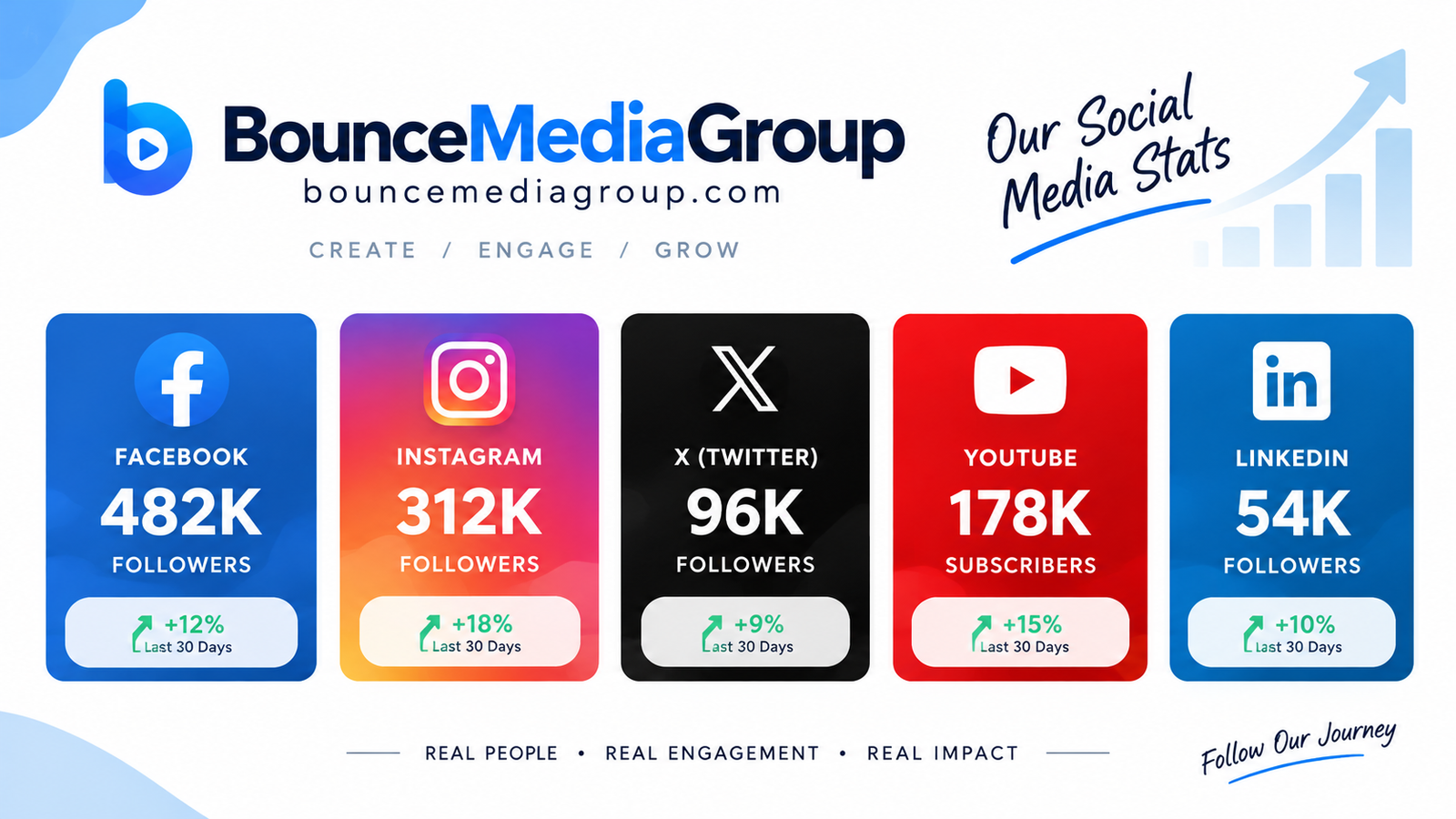
The visible follower counts for the brand are modest. At the time of research, the LinkedIn page showed 24 followers, and the Facebook page showed 736 followers. The Facebook page also had three reviews and no overall rating yet. These numbers are a snapshot and will change as the pages grow or as posts are added.
A small following does not mean a brand is failing. Events companies often depend on a loyal local audience rather than a huge online crowd. A few hundred engaged followers who buy tickets and invite friends can be worth more than thousands of silent ones. This is why follower totals should be read together with other signals such as comments, shares, and event turnout.
Why Different Websites Describe the Company Differently
If you search for the company online, you will notice that its description is not the same everywhere. LinkedIn and several business directories call it an events and hospitality company. Crunchbase, on the other hand, describes it as an online news company that publishes industrial and social news and lists categories such as advertising, news, and publishing. The company website itself also hosts articles that talk about digital marketing and advertising services.
Employee numbers vary as well. LinkedIn and Crunchbase list a team size of 11 to 50 people, while another directory lists only three employees. Differences like these are common for small private businesses because directories collect data at different times and from different sources. When facts disagree, the safest approach is to present a range and to give priority to the company’s own official profiles.
The Problem With “Social Stat” Articles
Many web pages use the phrase bouncemediagroup.com social stats as a headline. Some describe it as an analytics platform that tracks social media performance for marketers. Others describe it as a deep dive into the company’s own audience and engagement. These articles use words like engagement rate, reach, and audience growth, but they rarely show a real dashboard, a dated figure, or a named data source.
One of these pages even admits that specific details are scarce. That is a useful clue for readers. When an article talks about numbers without showing any, it is usually written to match a search phrase and not to report real measurements. Based on the available evidence, there is no clear proof of a separate social stat tool connected to the company, so readers should be careful before sharing account details or paying for any service that claims otherwise.
How to Read Social Media Statistics Properly
Understanding a few basic terms makes any social report easier to follow. Followers are the people who have chosen to see a page’s posts, while reach is the number of people who actually saw a post. Impressions count every time a post appears on a screen, so one person can create several impressions. Engagement includes likes, comments, shares, and clicks, and engagement rate shows how active an audience is in relation to its size.
Context is just as important as the numbers themselves. An events brand will usually see a rise in activity before a major date and a quieter period afterward, so one week of data can be misleading. Looking at trends over several months gives a more honest picture. It also helps to ask what the page is trying to achieve, since ticket interest and event attendance are better goals for this kind of brand than simple follower growth.
How to Check the Facts Yourself
The best way to research any company’s social presence is to start with its official pages. Visit the LinkedIn and Facebook profiles, read the about section, look at how often new posts appear, and notice whether real people respond. Public pages show follower counts, reactions, and reviews, while detailed analytics such as reach and click data are only visible to the page owner.
After that, cross-check what you find in at least two independent places, such as the official profile and a business directory. Make a note of the date you saw each figure, because social numbers change quickly. Be careful with pages that give exact percentages or growth claims without naming a platform, a date, or a method. Reliable data usually comes with these details attached.
Conclusion
The verified picture of bouncemediagroup.com social stats is simple. Bounce Media Group, Inc. appears to be a small New York based events and hospitality company, founded in 2011, and best known for its Bounce Boat events. Its public social pages show a modest audience, with 24 followers on LinkedIn and 736 on Facebook at the time of research. Directory listings disagree about its size and description, and many articles about its social stats offer more keywords than evidence.
For readers, the wisest approach is to treat all figures as a snapshot, rely on the official profiles first, and avoid acting on unsupported claims. If you want to learn from this brand, look at what you can see for yourself, such as how it announces events and speaks to its audience. Honest social media analysis is about careful observation over time, and it does not depend on a catchy search phrase.
