

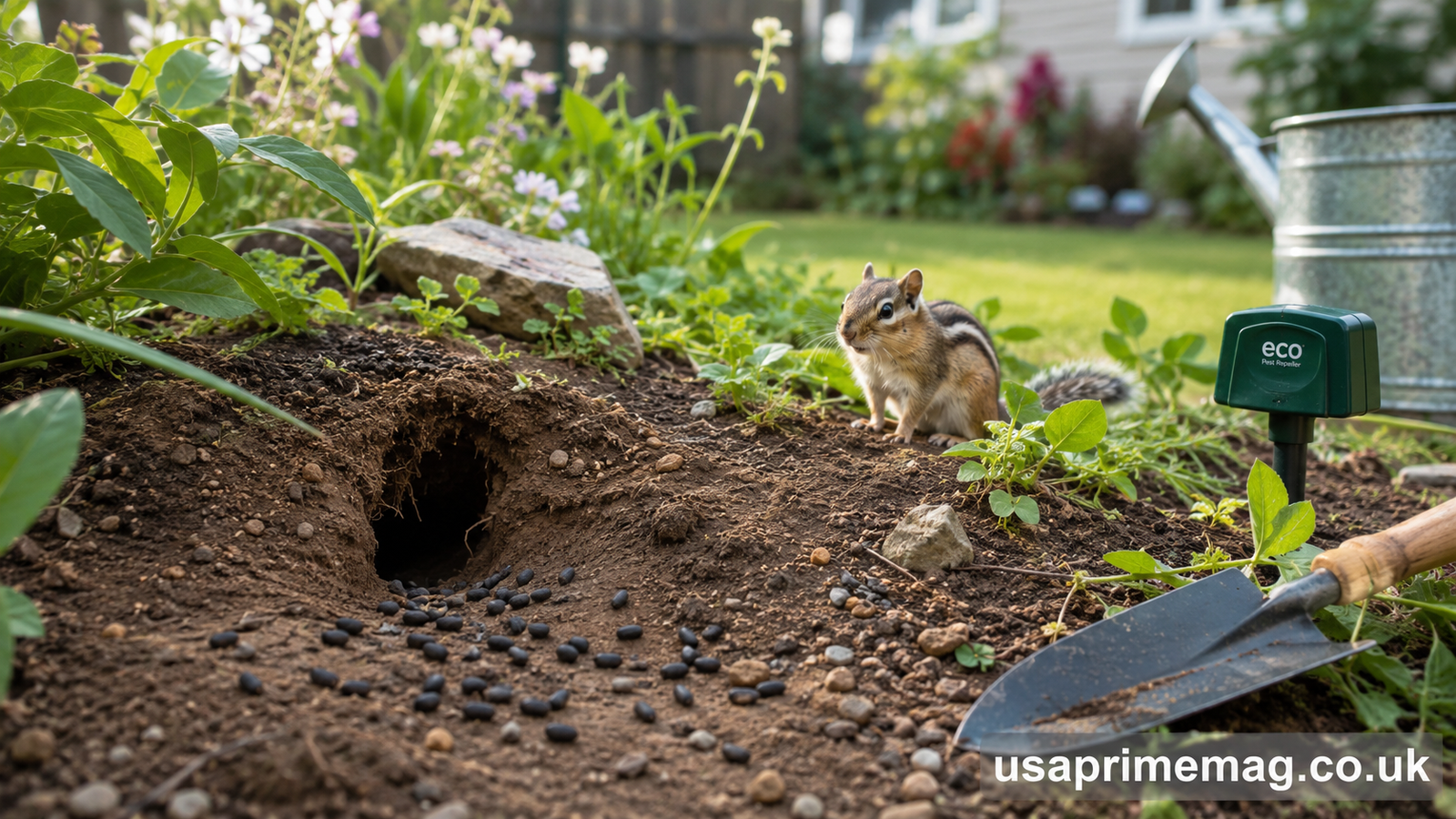
Chipmunk droppings are one of the most common signs that these small rodents are visiting your yard, garage, attic, shed, or crawl space. Although chipmunks are generally harmless and even enjoyable to watch outdoors, their droppings can become a hygiene concern when they accumulate inside or around your home.
Knowing how to identify chipmunk droppings correctly helps homeowners distinguish them from mouse, rat, or squirrel droppings. Proper identification allows you to take appropriate cleaning measures while reducing the chances of future infestations.
This complete guide explains what chipmunk droppings look like, where they are usually found, potential health concerns, safe cleanup methods, and effective prevention strategies.
What Are Chipmunk Droppings?
Chipmunk droppings are small, dark pellets produced by chipmunks after digesting seeds, nuts, berries, insects, and other foods. Since chipmunks spend much of their time collecting food and digging burrows, droppings are often found near feeding areas or nesting locations.
Fresh droppings are typically dark brown or black and become lighter as they dry.
What Do Chipmunk Droppings Look Like?
Chipmunk droppings share similarities with mouse droppings but have a few distinguishing characteristics.
| Feature | Description |
|---|---|
| Color | Dark brown to black when fresh |
| Shape | Oval or cylindrical with rounded ends |
| Length | Approximately ¼–½ inch (6–12 mm) |
| Texture | Smooth when fresh, dry and brittle over time |
| Odor | Usually mild unless present in large quantities |
Unlike rat droppings, chipmunk droppings are generally smaller and often found outdoors near burrow entrances.
Chipmunk Droppings vs. Mouse Droppings
Many homeowners confuse chipmunk droppings with mouse feces.
| Feature | Chipmunk Droppings | Mouse Droppings |
|---|---|---|
| Size | Slightly larger | Smaller |
| Ends | Rounded | Pointed |
| Common Location | Near burrows, gardens, sheds | Kitchens, pantries, walls |
| Habitat | Mostly outdoors | Mostly indoors |
| Quantity | Moderate | Usually numerous |
Correct identification helps determine the appropriate pest control solution.
Where Are Chipmunk Droppings Usually Found?
Chipmunks typically leave droppings near locations where they eat or nest.
Common locations include:
- Garden beds
- Around bird feeders
- Wood piles
- Under decks
- Garages
- Storage sheds
- Crawl spaces
- Attics
- Basement corners
- Near burrow entrances
If droppings continue appearing in the same location, it often indicates an active chipmunk habitat nearby.
Are Chipmunk Droppings Dangerous?
Chipmunk droppings should always be handled carefully. Although chipmunks are less likely than some rodents to spread diseases indoors, their feces may still contain bacteria or other microorganisms.
Potential concerns include:
- Bacterial contamination
- Allergic reactions from dried waste
- Attraction of insects
- Unpleasant odors
- General sanitation issues
Avoid sweeping or vacuuming dry droppings directly, as this may release dust into the air.
How to Clean Chipmunk Droppings Safely
Follow these safety steps when cleaning chipmunk droppings.
1. Wear Protective Equipment
Use:
- Disposable gloves
- Face mask
- Closed shoes
2. Ventilate the Area
If cleaning indoors, open windows for at least 30 minutes.
3. Spray Disinfectant
Thoroughly soak the droppings with a disinfectant or a diluted bleach solution before handling them.
4. Remove Carefully
Use paper towels to collect the droppings.
5. Dispose Properly
Seal waste inside a plastic bag before placing it in an outdoor trash bin.
6. Disinfect Again
Clean the entire surrounding surface with disinfectant.
7. Wash Hands
Wash thoroughly using soap and warm water.
Signs You Have Chipmunks
Besides droppings, other signs include:
- Small burrow openings
- Scattered seed shells
- Dug-up flower beds
- Missing bulbs
- Chewed plants
- Frequent chipmunk sightings
- Scratching noises under decks
- Small food storage piles
How to Prevent Chipmunk Droppings Around Your Property
Prevention is the best long-term solution.
Remove Food Sources
Avoid leaving:
- Bird seed on the ground
- Pet food outdoors
- Fallen fruits
- Uncovered garbage
Seal Entry Points
Inspect:
- Garage doors
- Foundation cracks
- Crawl space vents
- Basement openings
Seal any gaps larger than one inch.
Keep Your Yard Clean
Regularly:
- Trim shrubs
- Remove brush piles
- Stack firewood neatly
- Eliminate clutter
These steps reduce potential nesting sites.
Protect Gardens
Consider installing:
- Wire mesh barriers
- Raised beds
- Fencing around vegetables
Use Natural Deterrents
Some homeowners use:
- Peppermint oil
- Garlic spray
- Predator decoys
- Motion-activated sprinklers
Results vary depending on the environment.
When Should You Call Pest Control?
Professional pest control may be necessary if:
- Droppings continue appearing weekly.
- Multiple burrows surround your home.
- Chipmunks enter attic spaces.
- Property damage becomes extensive.
- DIY prevention methods fail.
Professionals can safely inspect, remove, and prevent recurring infestations.
Common Mistakes to Avoid
Many homeowners unintentionally make chipmunk problems worse.
Avoid:
- Touching droppings with bare hands
- Sweeping dry feces
- Feeding wildlife
- Ignoring burrows
- Leaving bird seed exposed
- Blocking burrows while animals are inside
Why Proper Identification Matters
Mistaking chipmunk droppings for mouse or rat droppings can lead to unnecessary treatments or overlooked infestations. Careful observation of size, location, and shape helps determine the correct animal and the best control strategy.
Frequently Asked Questions (FAQ)
What do chipmunk droppings look like?
Chipmunk droppings are small, dark brown or black pellets measuring about ¼ to ½ inch long. They are oval or cylindrical with rounded ends.
Are chipmunk droppings harmful?
While they are generally less hazardous than some other rodent droppings, they should still be handled carefully because they may contain bacteria or other contaminants.
How can I tell the difference between chipmunk and mouse droppings?
Chipmunk droppings are usually slightly larger with rounded ends and are commonly found outdoors near burrows. Mouse droppings tend to be smaller, pointed, and more often found inside homes.
Can chipmunks spread diseases?
Chipmunks can carry certain bacteria and parasites, although the overall risk is relatively low. Good hygiene and proper cleanup are recommended whenever droppings are found.
How do I stop chipmunks from returning?
Remove food sources, seal entry points, maintain a tidy yard, install barriers around gardens, and use humane deterrents to discourage chipmunks from nesting near your home.
Conclusion
Finding chipmunk droppings around your property is often the first indication that these small rodents are nearby. By learning to identify their droppings, cleaning them safely, and implementing preventative measures, you can maintain a cleaner and healthier environment. Routine inspections, proper sanitation, and reducing access to food and shelter are the most effective ways to keep chipmunks from becoming long-term visitors.
